
Please wait while we process your request
Please wait while we process your request
Try it now!
Calculate your price
Number of pages:
 191
191
 28th Dec 2021
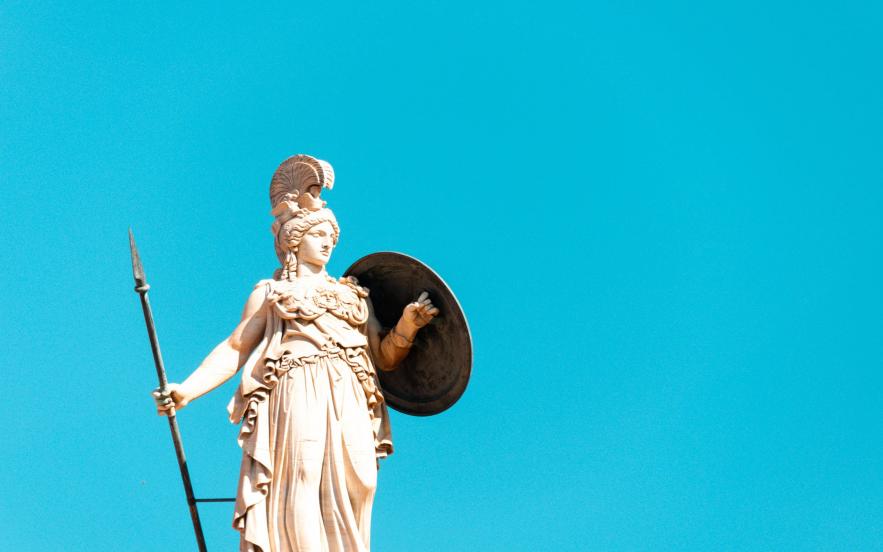
The Odyssey
Below are some issues we’ve kicked out in class the past term. You are welcome to use any of these topics or mix and match as you wish. Even better, if you don’t like the topics, go out and make some of your own.
Whatever particular aspect of The Odyssey you choose to focus on, know that you should use your topic to help raise the really big philosophical question we keep coming back to: sure, this story has been retold and taught as a pillar of Western Civilization for thousands of years. So it’s beloved—but is it good? Just what does this story promote and do you, personally, agree with that or not? Does this story contribute to our culture’s tendencies toward violent patriarchy or does it critique exactly that?
1. Misogyny / gynophobia: there’s lots of it expressed by key characters, including Odysseus himself, but where does the overall text stand? Does The Odyssey endorse or interrogate misogyny? Where does Odysseus end up on this anxiety?
2. Let’s say Odysseus is still a step over the badass / asshole threshold even while he’s telling his tales to the Phaeacians through book 12. Does that make the second half of this epic a tale of Odysseus’ humbling? What are signs that he does grow in humility and thus self-understanding before regaining his home? Conversely, what would argue that, in the end, he does not grow?
3. Sort out your responses to the climactic scenes in which Odysseus slaughters the suitors. How does the text urge us to regard Odysseus? Finally getting what’s been his all along--personal possessions as well as heroic glory? Acting heroically but with a new humility toward the gods? Playing the male ideal but incorporating what he’s learned from female influences throughout the story? Acting heroically so as to expose the ancient Greek ideals as inhuman, appalling? Does the text endorse what he does, but in doing so does the text reveal its cultural distance from us?
4. What do you make of the Penelope / Odysseus relationship? How mutual are their strengths? Do they learn from each other? Clearly this marriage of male and female principles has powerful metaphoric consequences for many other issues in the story as well as for a model of human capacities. What’s the marriage suggest?
5. What do you make of the inhumanity of the gods in this text, the way they do things that may violate human decency, such as Poseidon’s sinking the Phaeacians’ ship or Athena’s pushing Odysseus to new heights of violent fury. Does this justify the vicious acts needed to maintain control in a lawless world, or do the gods expose how humans will rationalize rash acts with divine cause?
6. We have stressed the interesting pattern whereby a sequence of female threats encountered by Odysseus convert to guides: Circe, Calypso, Nausicaa, Penelope. What do you make of this trend?
7. Could it be that the performer / creator of this epic slyly critiques macho heroism even while giving his audience plenty of red meat to cheer about?
8. What do you make of Athena? Is she really aligned with the rest of the female influences in the story or does she offer something else? If she is an aspect of Odysseus’ psyche, what does she embody? She’s taken to embody something fundamental in Western civilization—for “The Athenian School,” for example, she stands for “education for democracy”—but might she express something more sinister?
9. If much of The Odyssey concerns Odysseus’ integration of the female into macho heroism, what are we to make of his anger and eventual violence toward those serving women?
10. A specific aspect of gynophobia we discussed was masculine anxiety about female power through sexual desire. How does this female power play out around the climactic books of Odysseus’ return? Is Penelope an erotic female? How might she use that power to assist Odysseus? If she does, what does this implicitly comment about earlier misogynist claims that men have made about femme fatals?
11. When does Penelope know it’s Odysseus and how might this claim challenge conventional interpretations of this epic that view her as a damsel in distress? How does view also challenge interpretations that endorse the misogyny in other parts of the story?
12. Does this text encourage blood lust? Think of all the allusions to “blood wedding(s)” and Athena’s foreshadowings of “blood and brains” spattered on the floor. If so, is that sublimation of erotic desire into violent action a problem?
13. We have talked about how The Odyssey links directly to Hollywood’s fascination with sex and violence, even to on-line “babe warriors” such as Laura Croft. Does The Odyssey originate this Western trend or was Homer 3,000 years ahead of Hollywood by critiquing it?
 Leave
a
Reply
Leave
a
Reply
Your email address will not be published / Required fields are marked *
Calculate your price
Number of pages:
Reset password
Reset password
We’ve sent you an email containing a link that will allow you to reset your password for the next 24 hours.
Please check your spam folder if the email doesn’t appear within a few minutes.